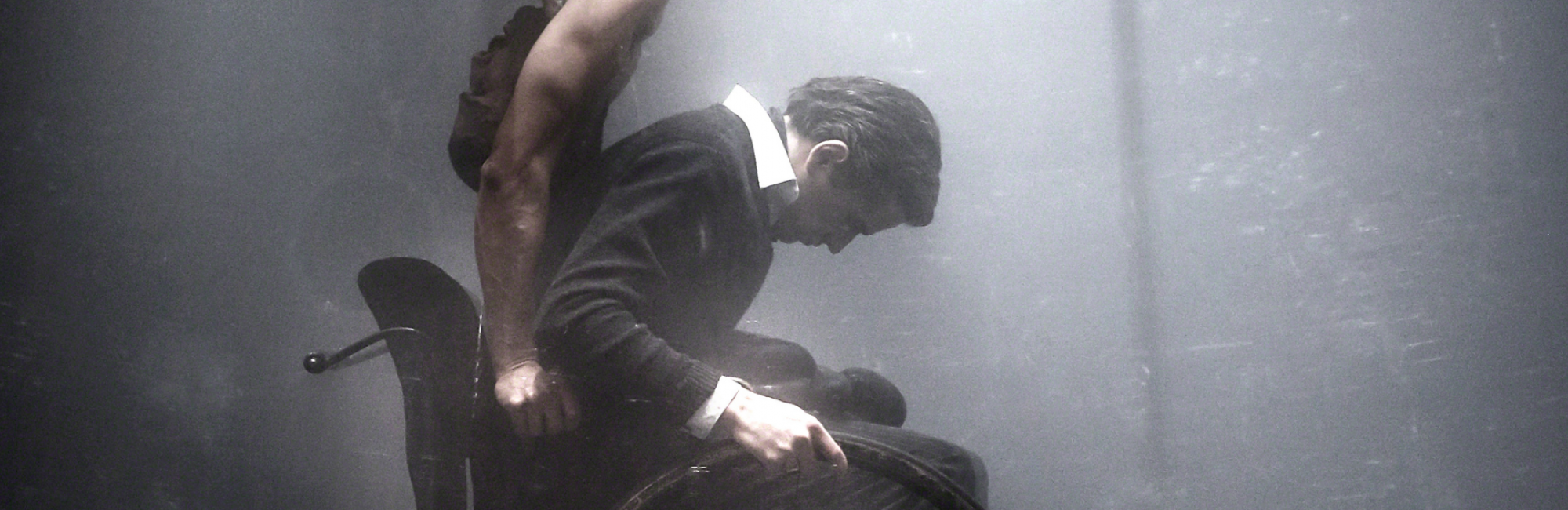
Edward Clug: Faust
Co-production SNG Maribor and Cankarjev dom
In cooperation with Opernhaus Zürich
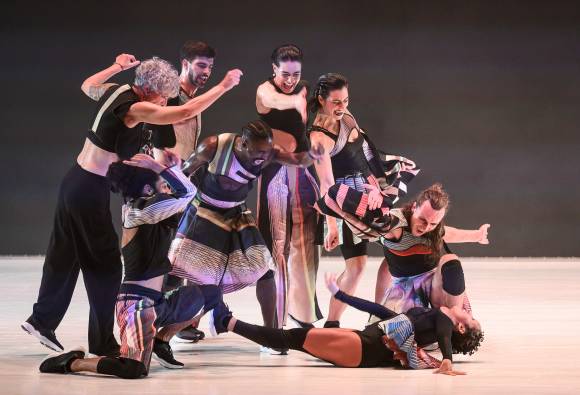
In all his ballets, the Romanian-born choreographer Edward Clug crafts unusually athletic but poetic works, dances that reveal and play upon the foibles and ironies of the human condition.
And if this new Faust is an ambitious undertaking on his part, it is because as a truly narrative ballet, dance-theatre, if you will, its reputation relies on much more than movement alone.
Over the centuries, the legend of the soul-searching scholar who sells his soul to the devil in exchange for the elixir of youth has been reinterpreted many times in literature and theatre, but rarely in dance. Johann Wolfgang von Goethe’s Faust confronts an enduring and knotty choice: earthly bliss for the price of your soul. Part 1 charts how Faust succumbs to Mephisto’s temptations and surrenders his soul to find momentary pleasures and ultimate despair.
From this rich material Edward Clug has created a vibrant theatrical event. It’s a dark and tragic tale spiced with very black comedy and told in a series of inspired theatrical moments.
The Slovenian, Milko Lazar, who has collaborated with Clug on many projects, provides a score of richly textured orchestral music, birdsong, popular song and a wealth of atmospheric sounds. Scenographer, Marko Japeli, also Clug’s long-time creative partner, orders the complexity of the staging that seems as choreographed as the movements. In the predominantly black box set, screen shifts and video displays take us from interiors to gardens, from heaven to hell.
A fast-paced production covers a great deal of narrative. The small detail is a constant delight while strong dramaturgy and effective structure hold the storyline. The dance ensemble, augmented by the Junior Company, provides a rewarding evening of dance drama.
A fast-paced production, constantly impressing with tiny details, while strong dramaturgy and effective, signature ‘Clugian’ structure drive the anthological storyline.
Edward Clug: Faust
17,00 | 23,00 | 26,00 | 29,00 EUR
15,00 | 21,00 | 23,00 | 26,00 EUR * *visitors aged under 25, over 65 and pensioners
Length of performance: 2hrs 10 mins including a 20-minute interval
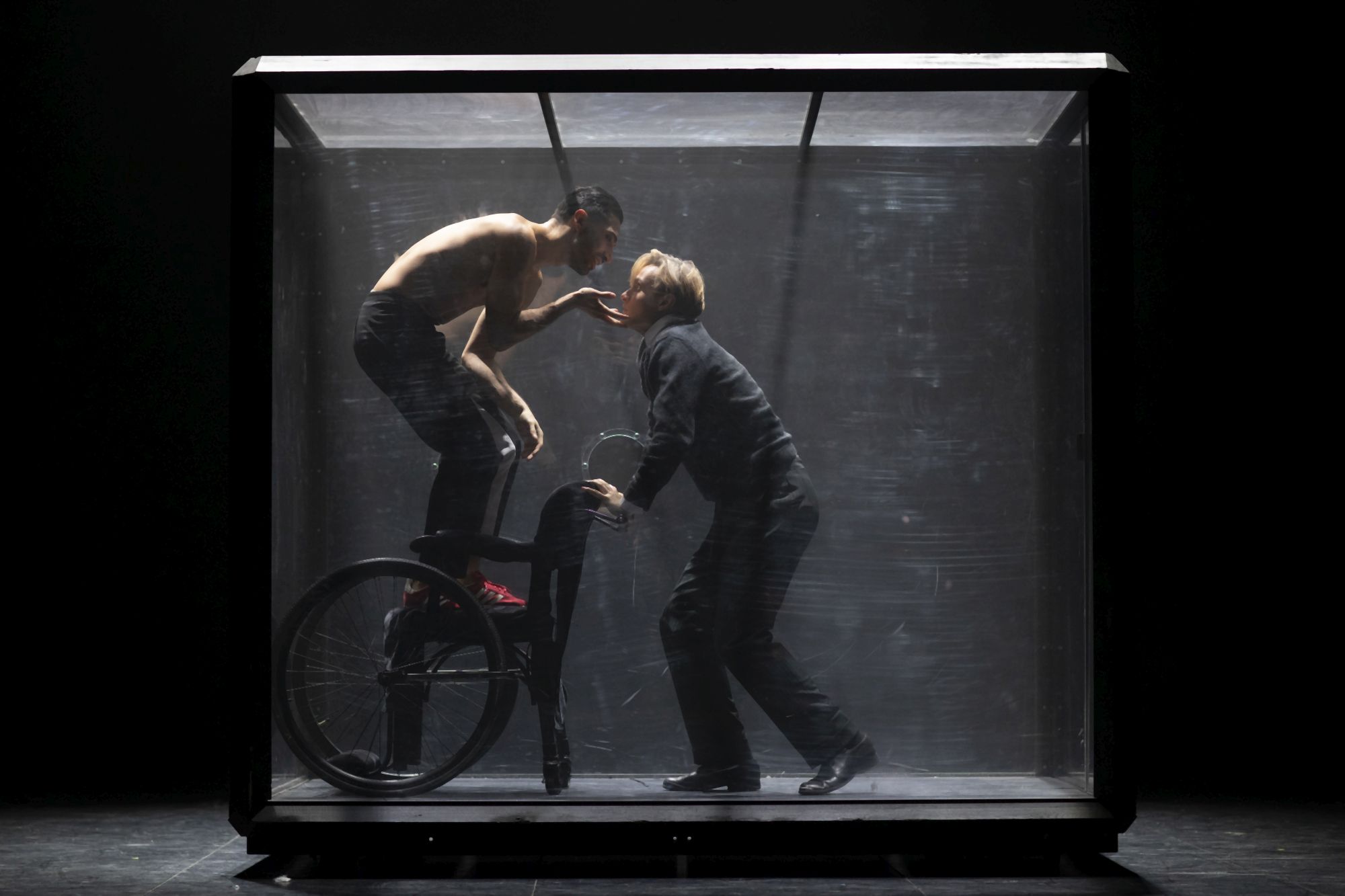
Foto: Tiberiu Marta/SNG Maribor
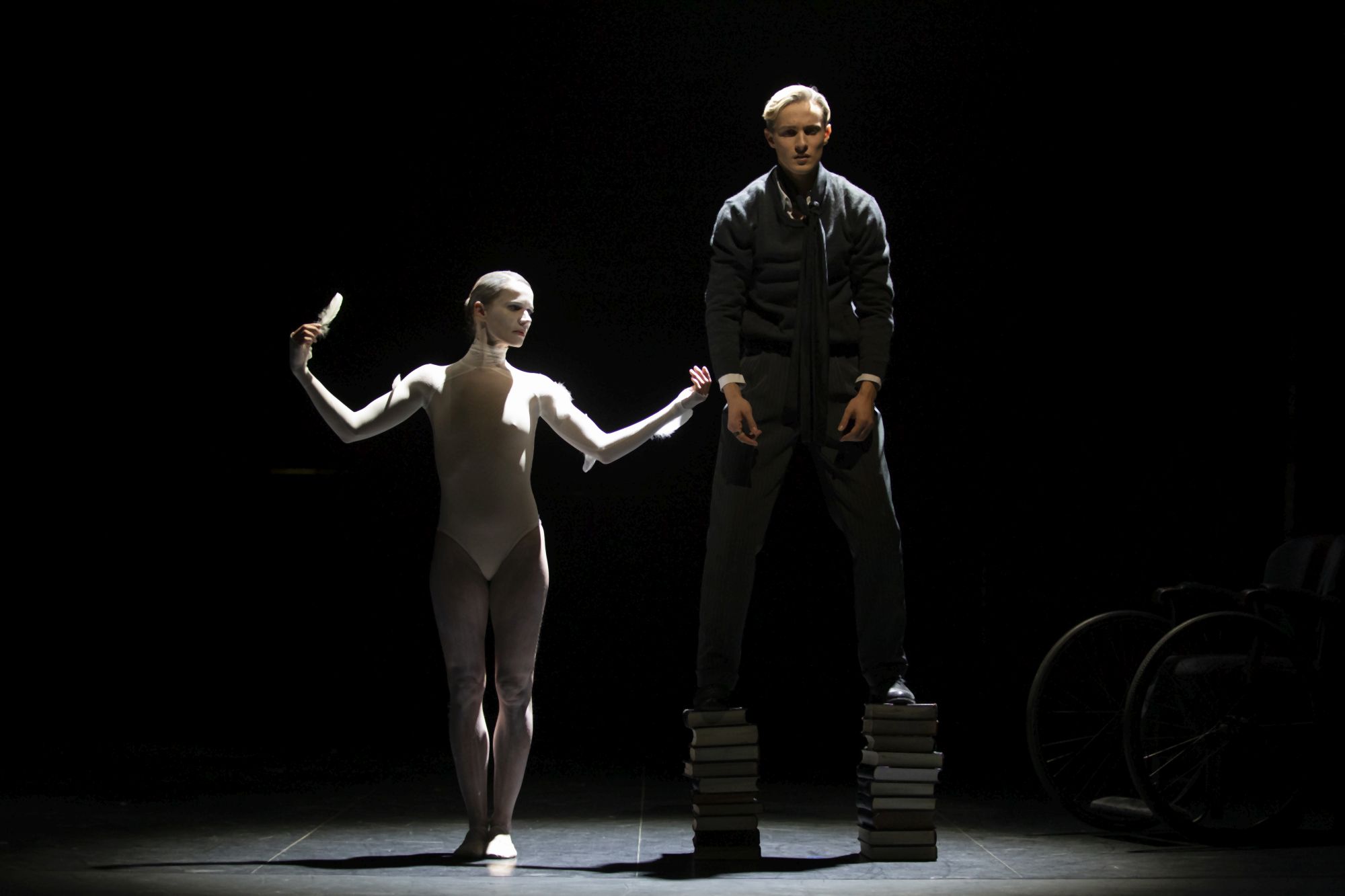
Foto: Tiberiu Marta/SNG Maribor
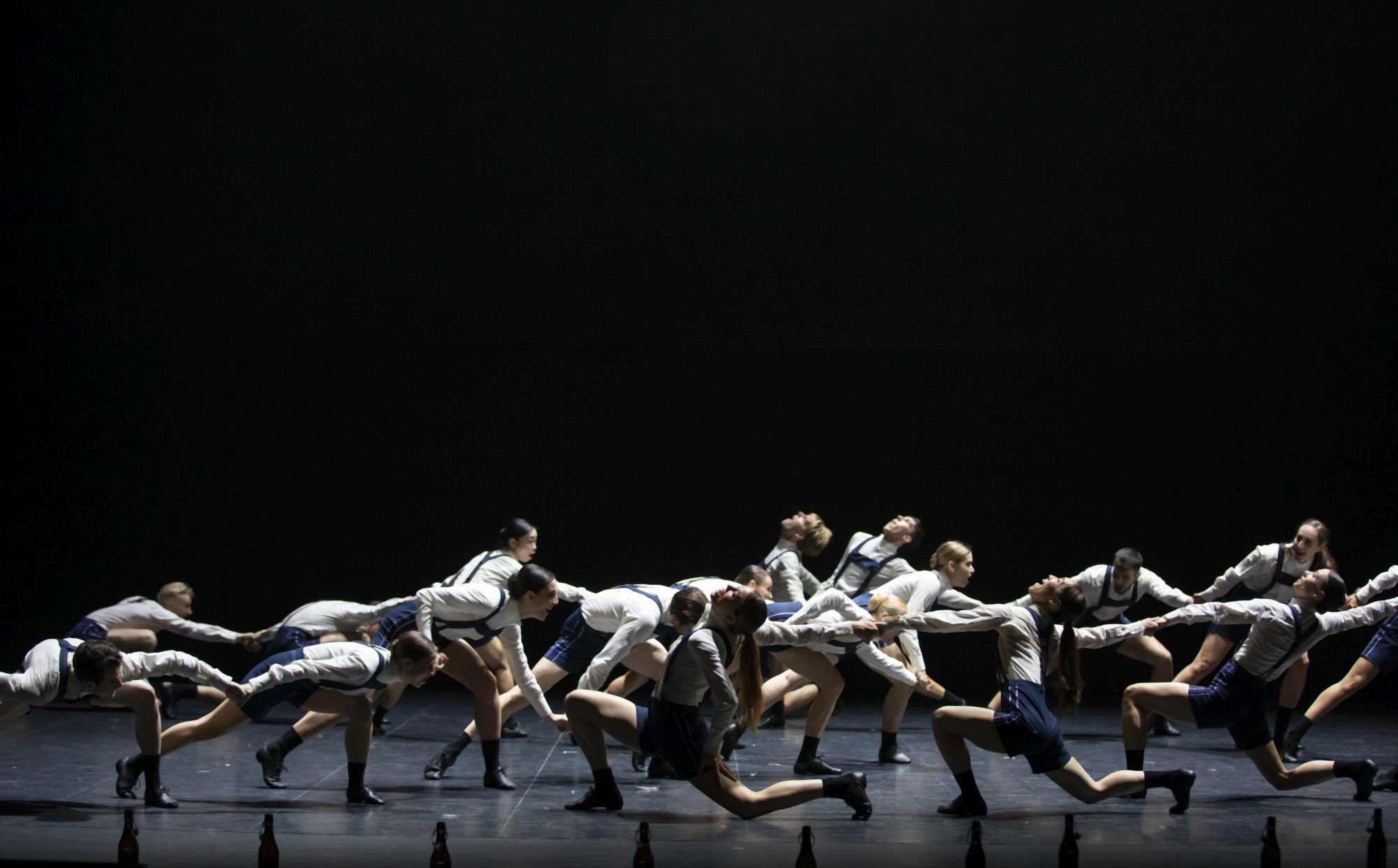
Foto: Tiberiu Marta/SNG Maribor
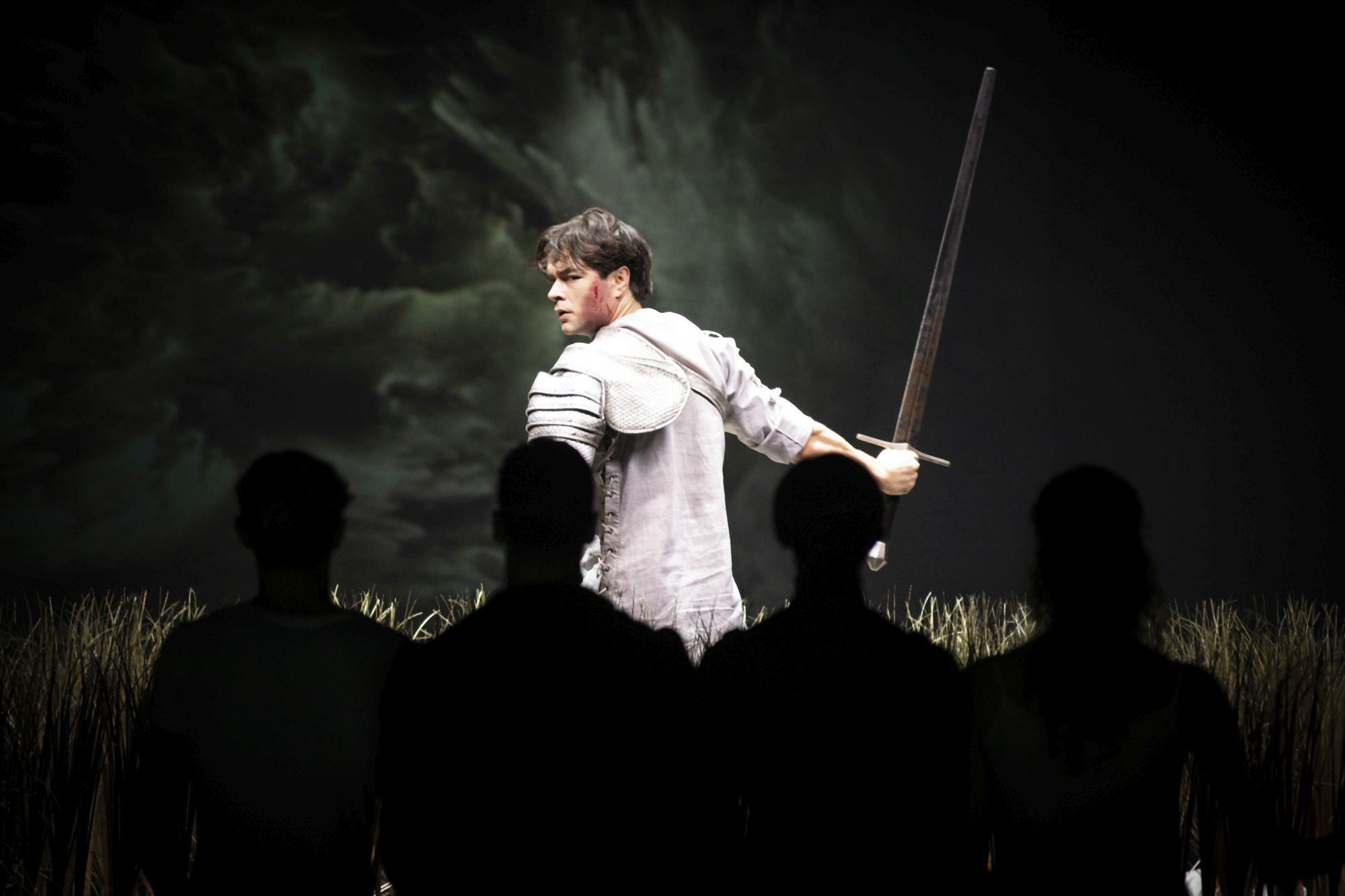
Foto: Tiberiu Marta/SNG Maribor
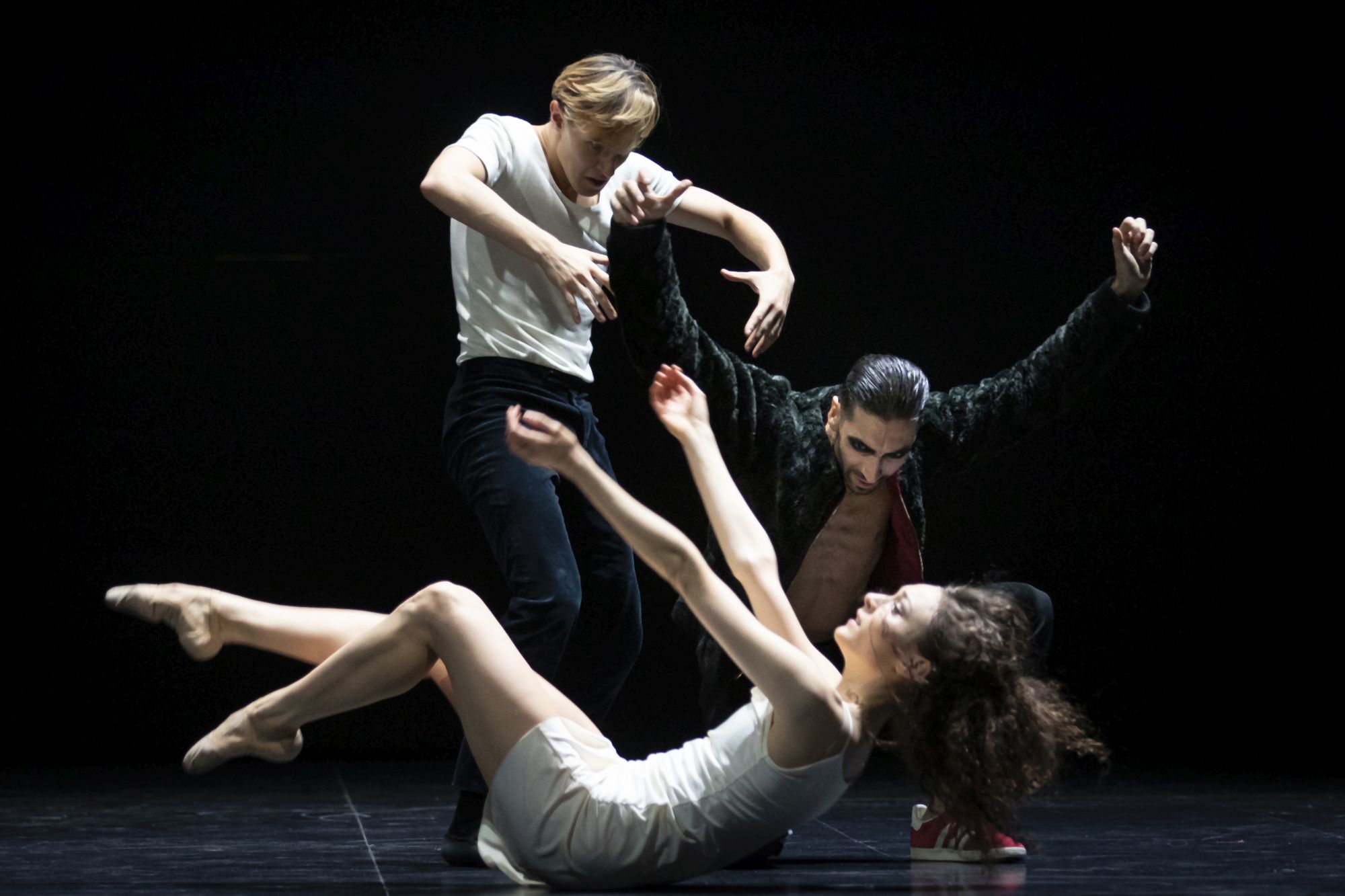
Foto: Tiberiu Marta/SNG Maribor
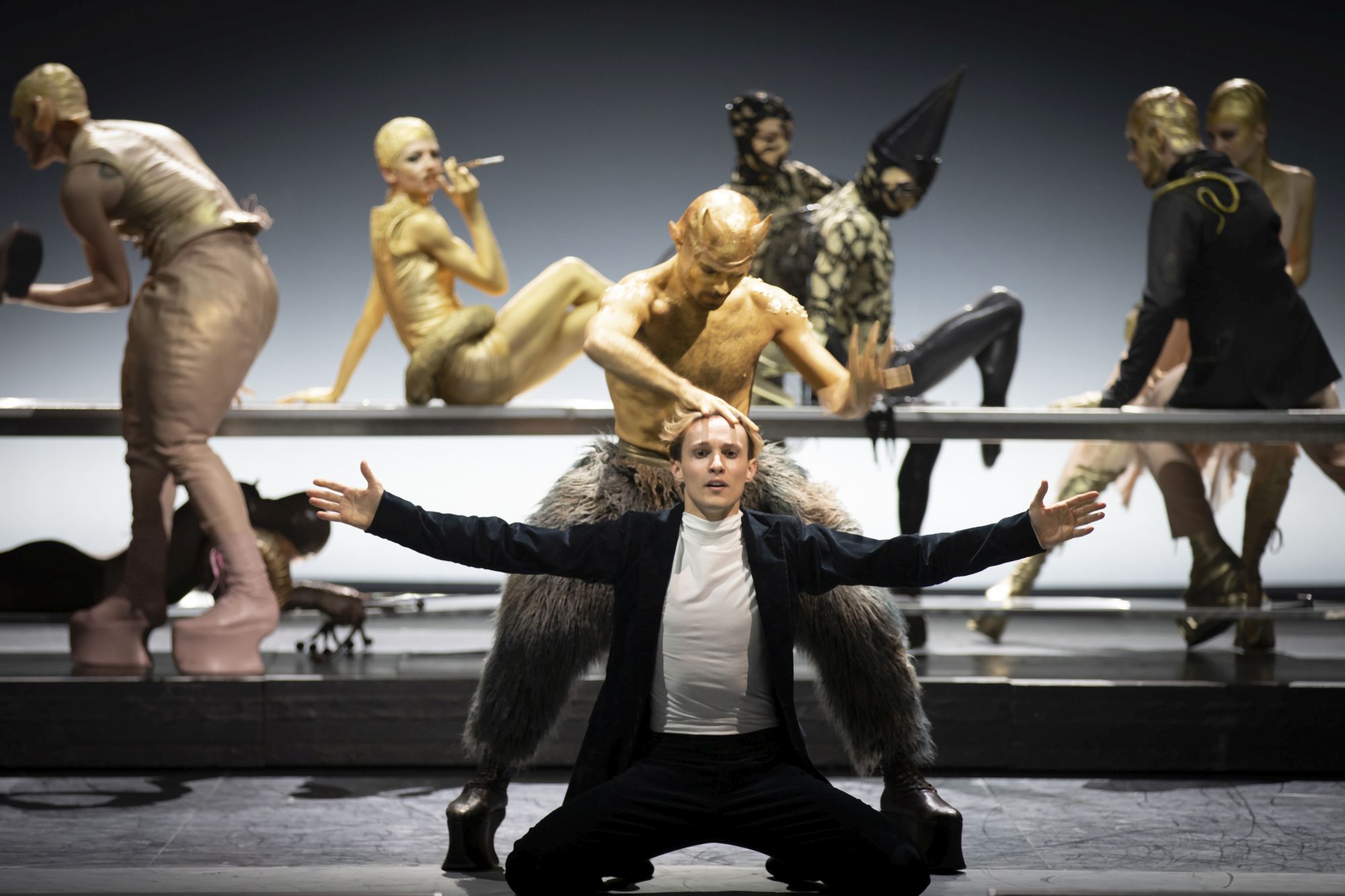
Foto: Tiberiu Marta/SNG Maribor
Choreographer: Edward Clug
Composer: Milko Lazar
Conductor: Simon Krečič
Set design: Marko Japelj
Costume design: Leo Kulaš
CAST
Soloists
Faust: Davide Buffone / Ionut Dinita
Mephistopheles (Mephisto): Thomas Martino, guest artist / Daniel Domenech, guest artist
Margarete (Gretchen): Monja Obrul / Asami Nakashima
Marthe Schwerdtlein: Olesja Hartmann Marin / Branka Popovici
Sybil: Evgenija Koškina / Tea Bajc
Valentin: Ionut Dinita / Davide Buffone
Wagner: Matteo Magalotti / Tomaž Viktor Abram Golub
Angel: Tijuana Križman Hudernik / Catarina de Meneses
Jesus: Luka Pitamic, guest artist
Corps de ballet
Aleksandar Trenevski, Alexandru Pilca, Asami Nakashima, Beatrice Bartolomei, Branka Popovici,Christopher Thompson, Daniel Domenech, Ema Perič, Evgenija Koškina, Hristina Stoycheva, Ines Petek, Ines Uroševič,
Lana Druškovič, Lucio Mautone, Sytze Jan Luske, Maro Vranaričič, Matteo Magalotti, Mina Radaković, Mircea Golescu, Mirjana Šrot, Monja Obrul, Nuša Urnaut, Olesja Hartmann Marin, Satomi Netsu, Tea Bajc, Tetiana Svetlična, Thomas Martino, Tijuana Križman Hudernik, Tomaž Viktor Abram Golub.
SNG Maribor Symphony Orchestra
Concertmaster Oksana Pečeny
Co-production: Slovene National Theatre SNG Maribor and Cankarjev dom
In cooperation with Opernhaus Zürich




Bodite med prvimi ...
... ki boste izvedeli, katere koncerte, predavanja, gledališka in plesna gostovanja in drugo pripravljamo v Cankarjevem domu.
Spletna trgovina izdelkov
Skrbno izbrano ponudba različnih izdelkov in spominkov, ki so nastali v sodelovanju z različnimi slovenskimi oblikovalci ali so plod dela oblikovalskega tima Cankarjevega doma.
Founder and main co-funder of Cankarjev dom’s Arts and Culture programme

