
23 Nov 19:00
Perpetuum Jazzile - Največji hiti
Perpetuum Jazzile – Greatest Hits
Featuring Special Guest Artists Maja Keuc and Gregor Ravnik
Organised by Perpetuum Jazzile z.b.o
Duration: 120 minutes (without intermission)
Perpetuum Jazzile returns to the concert stage with an evening dedicated to its greatest hits and the songs that have become the trademark of one of Slovenia’s most recognizable musical ensembles, both at home and abroad, over more than two decades.
The program will feature highlights from their rich repertoire, from the legendary vocal arrangements that have captivated millions of listeners around the world to the songs that have become an essential part of every Perpetuum Jazzile concert experience.
The evening will be made even more special by two outstanding guest artists. Maja Keuc, one of Slovenia’s most acclaimed vocalists, and Gregor Ravnik, among the most respected voices of his generation, will join the ensemble for exclusive musical collaborations created especially for this concert.
Dozens of voices. One energy. The greatest hits. And an unforgettable evening that will demonstrate why Perpetuum Jazzile has been inspiring audiences on major stages in Slovenia and around the world for years.
Buy tickets
Perpetuum Jazzile - Največji hiti
23 Nov
19:00
Show more
34,00 | 40,00 | 46,00 | 52,00 | 68,00 EUR
Duration time: 90 minutes
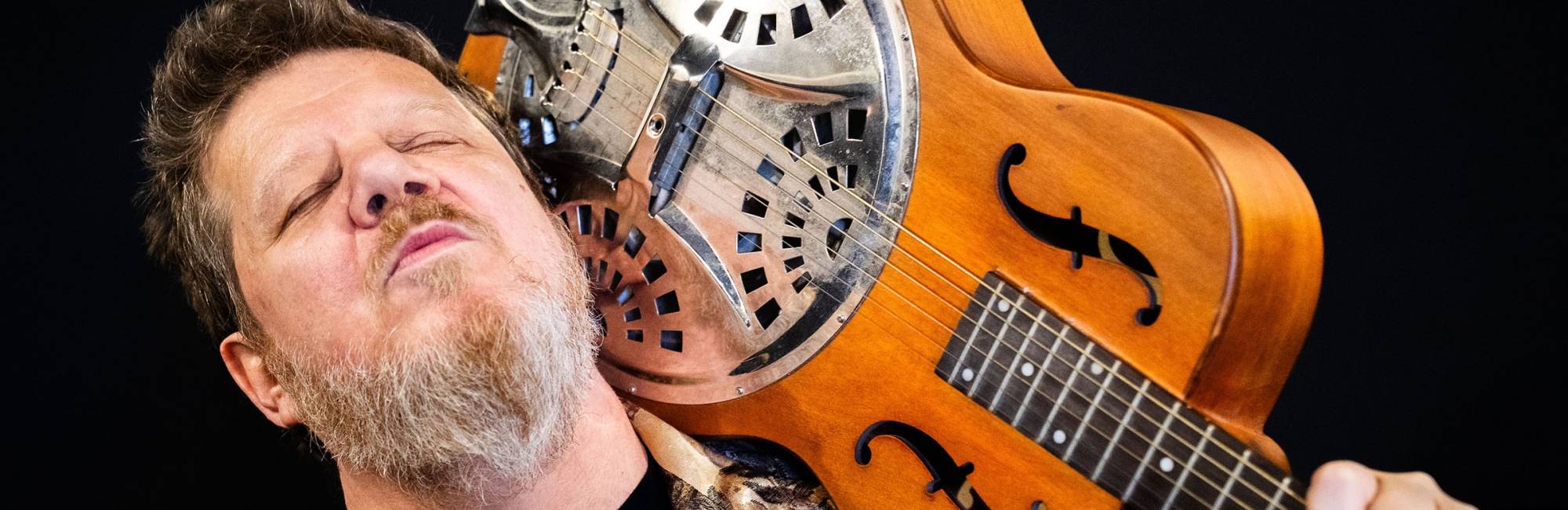
Singer, guitarist, songwriter and producer Tomislav Jovanović “Tokac” is embarking on a new chapter in his musical career following the remarkable journey he shared with the band Dan D. The artist, who wrote all the songs and lyrics for one of Slovenia’s best-known rock bands, will be joined on stage by the RTV Slovenia Big Band, led by Tadej Tomšič. For this special occasion, Tokac is preparing new orchestral arrangements.
This one-off musical event interlinks the past, present and future of one of Slovenia’s most distinctive musicians. Charged with emotion, the evening promises first-rate musicianship and songs that have left their mark on generations of listeners.
The RTV Slovenia Big Band (Big Band RTV Slovenija), which celebrated a major milestone last year – 80 years of continuous activity – is one of the most important institutions in Slovenian jazz and popular music. Throughout its history, the Big Band has played a key role in developing and fostering an appreciation of jazz across Slovenia, inspiring generations of musicians and listeners. Its ability to adapt to a wide range of musical formats – from radio and television productions to major concert stages – has established the orchestra as an important and dynamic force in Slovenia’s cultural landscape.
This grand orchestral performance brings a brand-new take on Dan D’s greatest hits alongside Tokac’s latest material, heralding his transition to a solo career.
Buy tickets
After Dan D, frontman Tokac makes his solo debut in Gallus Hall
24 Nov
19:30
Show more
20,00 | 22,00 | 26,00 | 30,00 EUR
18,00 | 20,00 | 24,00 | 27,00 EUR * * EUR for younger than 25 and older than 65, as well as pensioners.
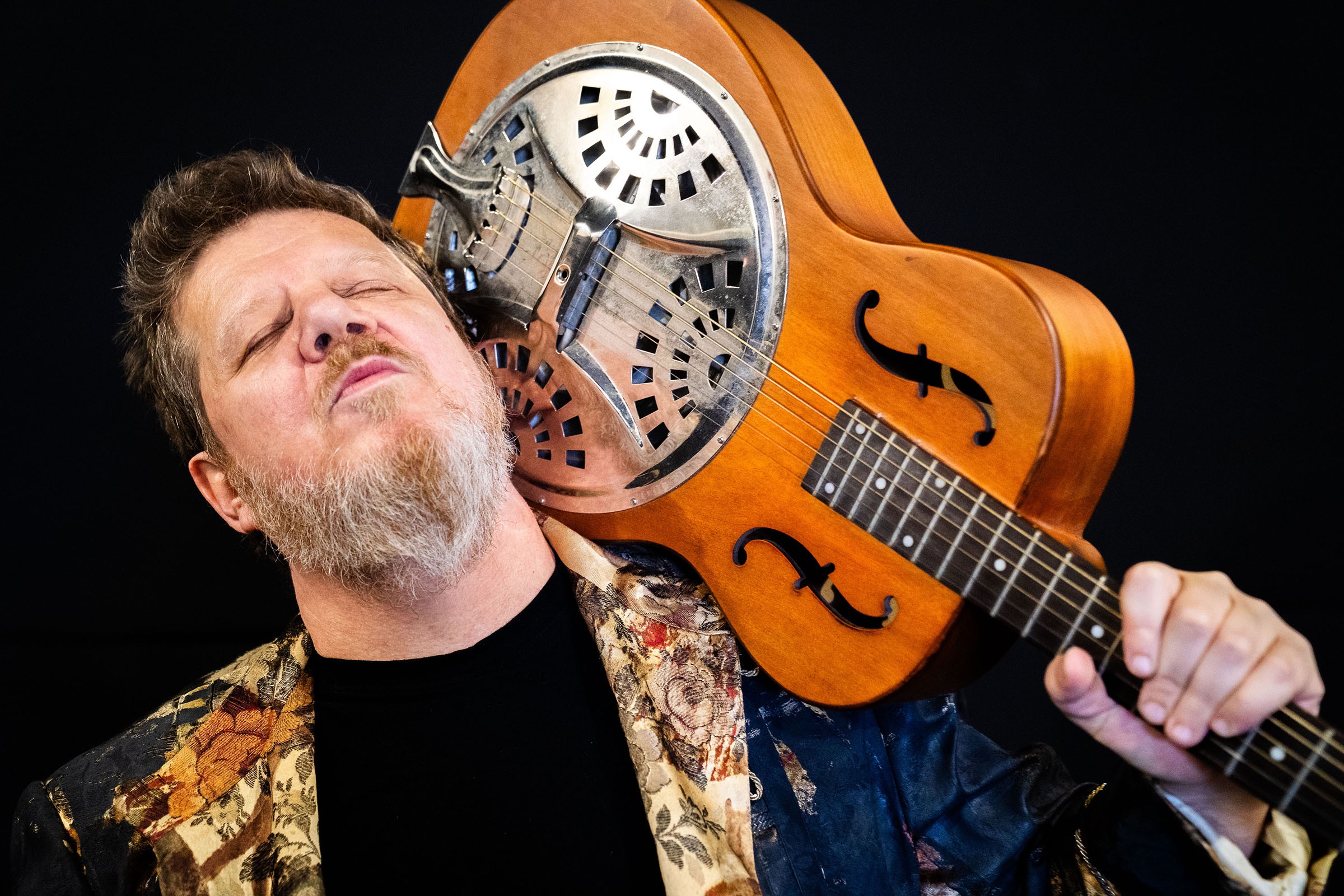
Tokac, photo Marko Alpner
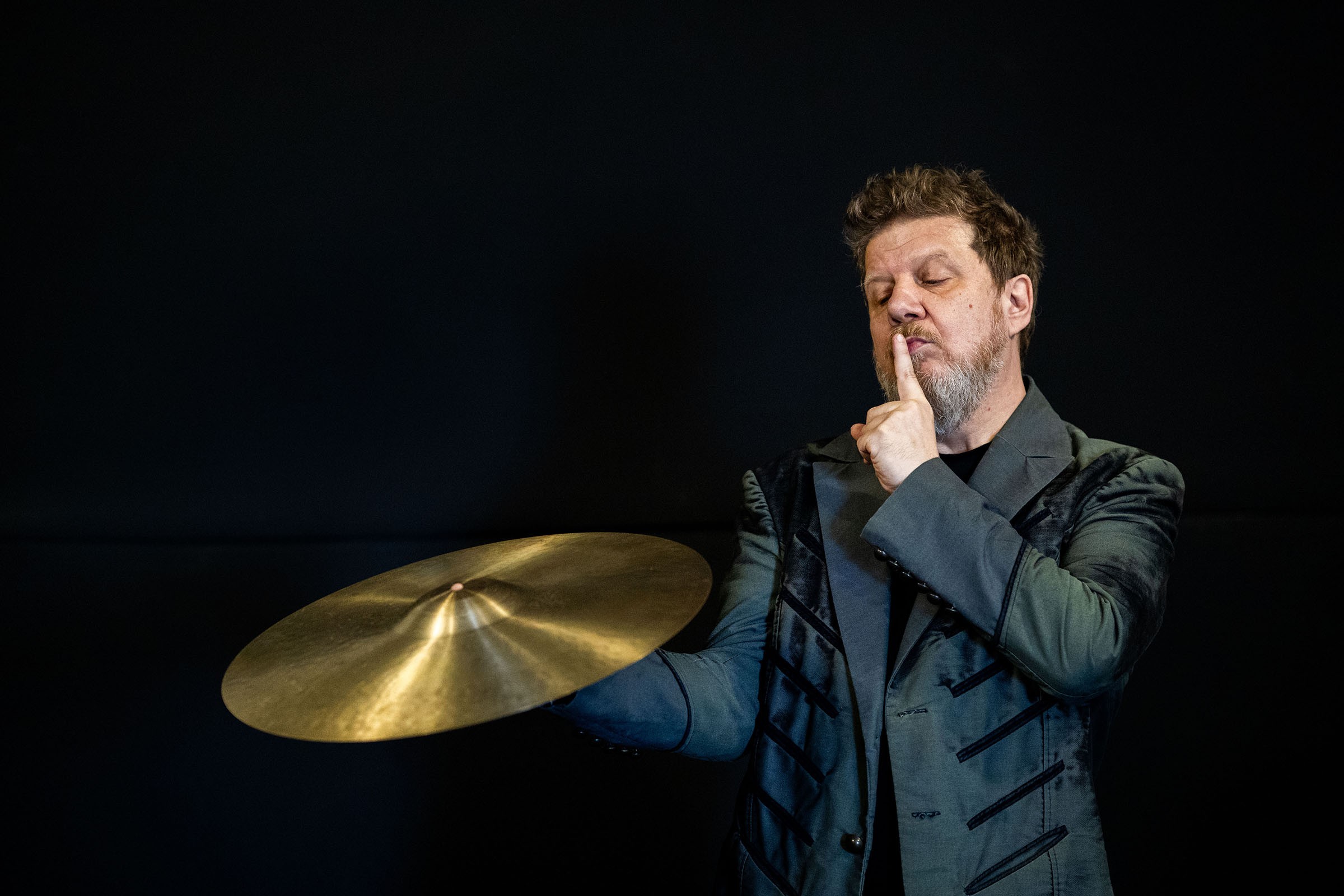
Tokac, photo Marko Alpner

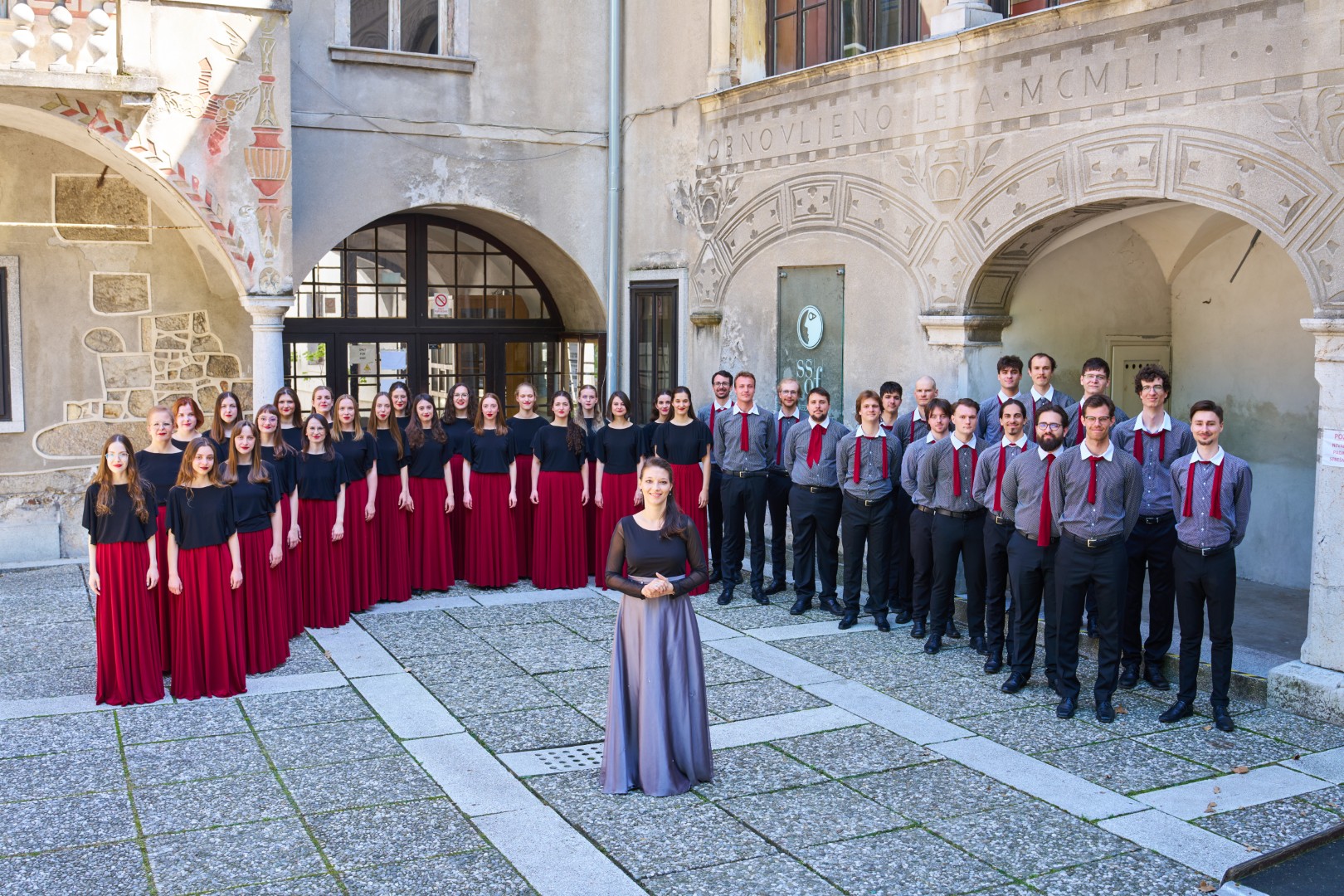
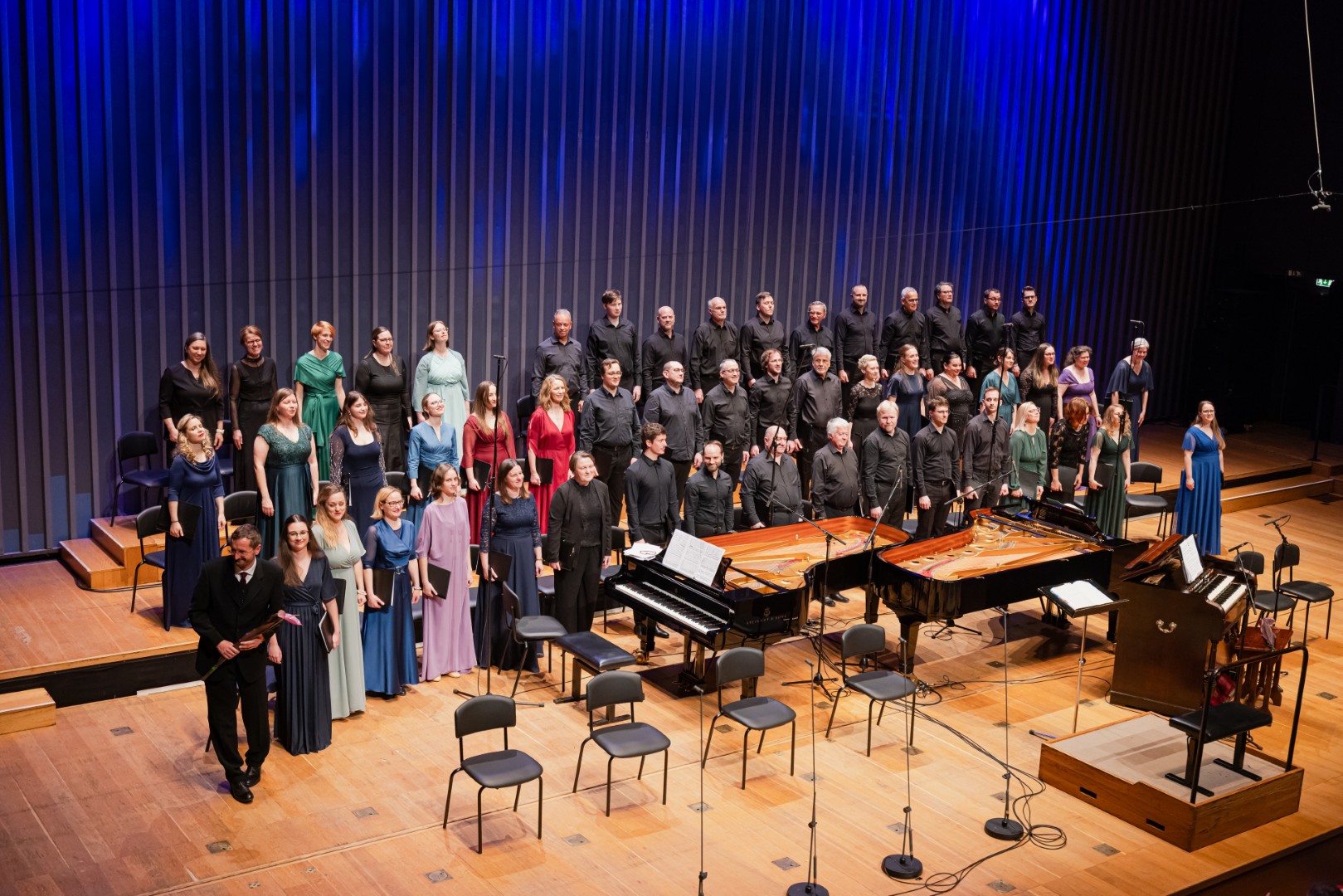
Academic Choir Tone Tomšič, University of Ljubljana, conductor Rahela Durič
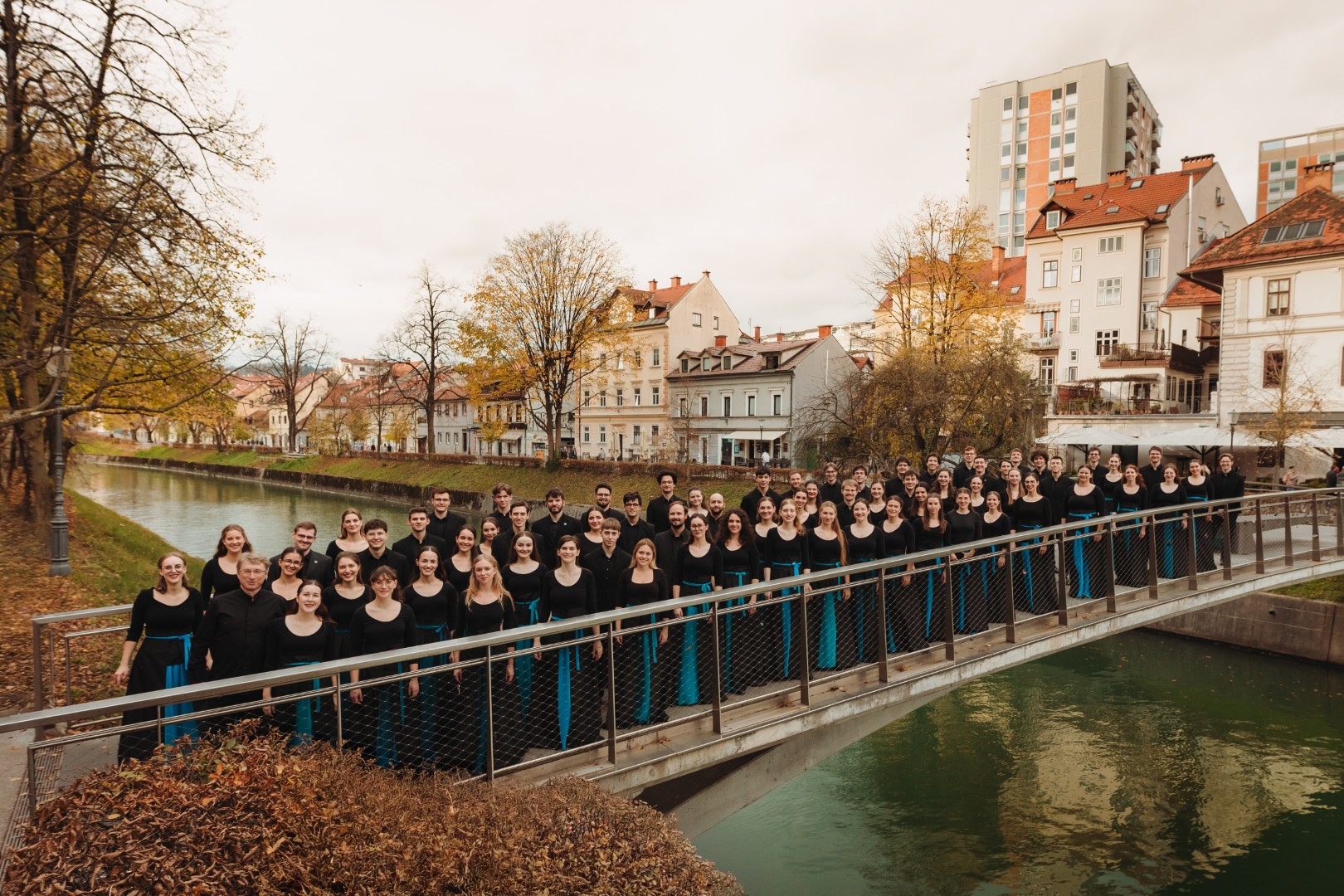
Mixed Choir of Glasbena matica Ljubljana, conductor Sebastjan Vrhovnik
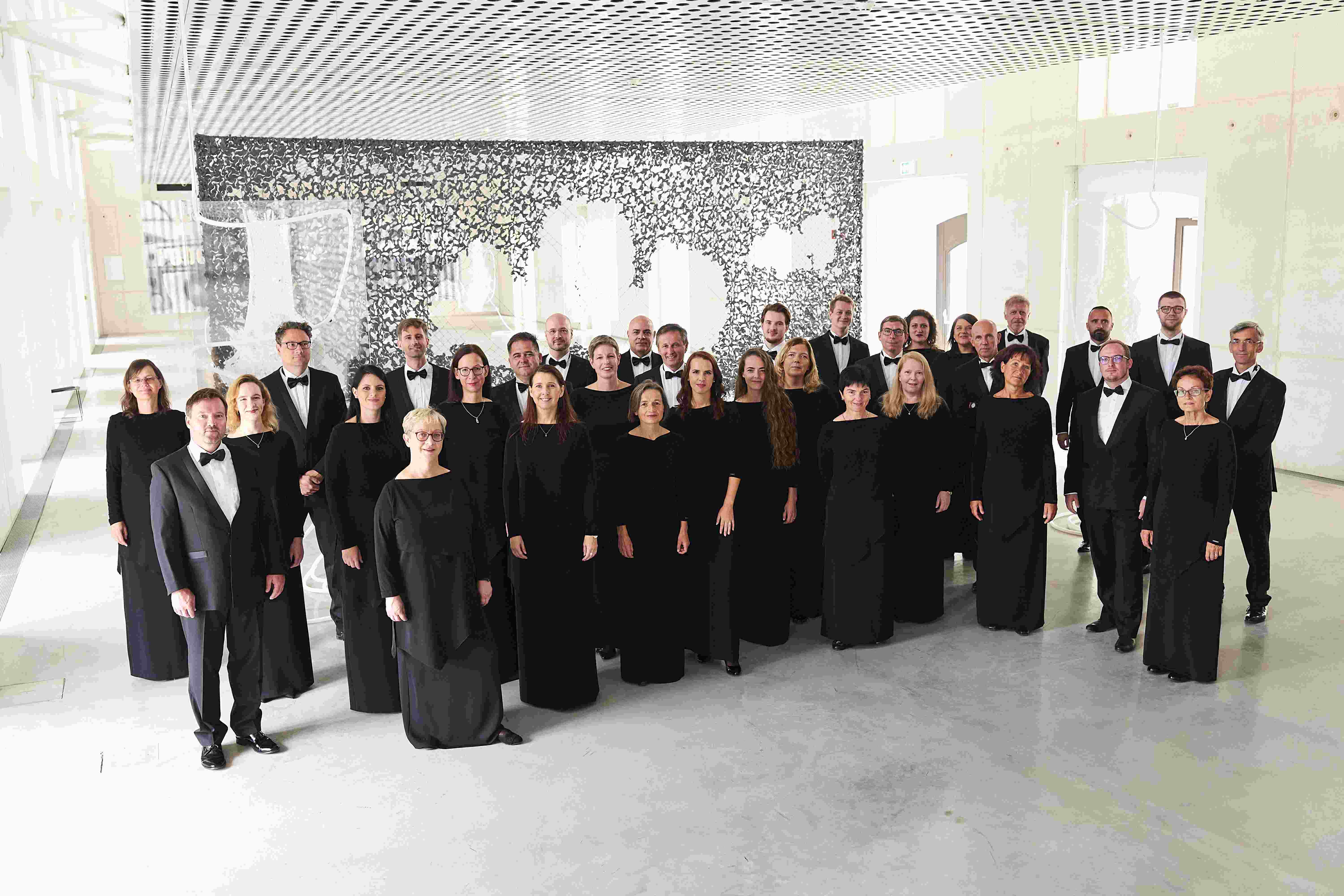
Megaron Chamber Choir, conductor Damijan Močnik
Slovenian Philharmonic Choir, conductor Alenka Podpečan
Host and reciter: Jernej Gašperin
Designated as the Kosovel Year, 2026 marks the centenary of the poet’s death. With his extraordinary creative power, Kosovel left an indelible mark on Slovenian literature and culture. To commemorate this anniversary, Cankarjev dom, in collaboration with the Academic Choir Tone Tomšič, University of Ljubljana, the Mixed Choir of Glasbena matica Ljubljana, the Megaron Chamber Choir and the Slovenian Philharmonic Choir, is organising a vocal music concert inspired by Srečko Kosovel’s poetry.
Interspersed with recitations of Kosovel’s poems, the programme presents a varied selection of musical settings by generations of Slovenian composers – from 20th-century masters to younger authors and new works – exploring the many facets of Kosovel’s poetic world: the Karst landscape, intimate lyricism, existential sensitivity and the distinctive creative energy that left a lasting imprint on Slovenian modernism. The concert – both a tribute to the great poet and a celebration of Slovenian choral culture – is living proof that, a century after his death, Kosovel’s words continue to resonate, inspiring new interpretations and opening new artistic horizons.
Buy tickets
A Vocal Music Concert Marking the Centennial of the Death of Srečko Kosovel
23 Oct
19:30
Show more
15,00 EUR
12,00 EUR * * EUR for younger than 25 and older than 65, as well as pensioners.
Akademski pevski zbor Tone Tomšič Univerze v Ljubljani, foto Janez Kotar
Mešani pevski zbor Glasbene matice Ljubljana, foto Darja Štravs Tisu
Komorni zbor Megaron, foto Matic Dolenc
Zbor Slovenske filharmonije, foto Iztok Zupan

Buy tickets
Chromatics 1
22 Oct
19:30
Show more
15,00 | 19,00 | 26,00 | 29,00 EUR
12,00 | 16,00 | 20,00 | 25,00 EUR * * EUR for younger than 25 and older than 65, as well as pensioners.
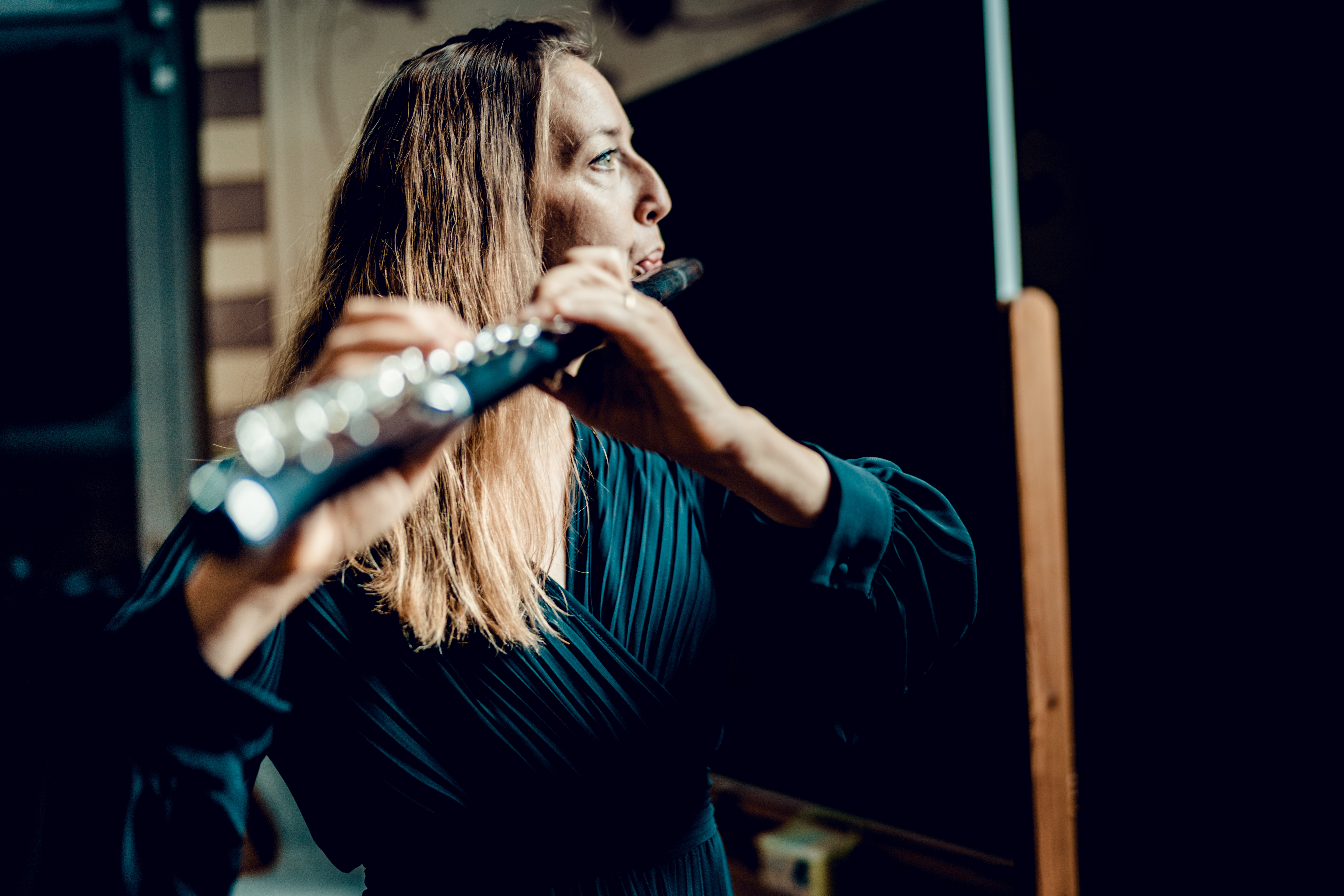
Irena Kavčič, foto Andrej Grilc

RTV Slovenia Symphony Orchestra, photo Janez Kotar
Buy tickets
Chromatics 1
22 Oct
19:30
Show more
15,00 | 19,00 | 26,00 | 29,00 EUR
12,00 | 16,00 | 20,00 | 25,00 EUR * * EUR for younger than 25 and older than 65, as well as pensioners.
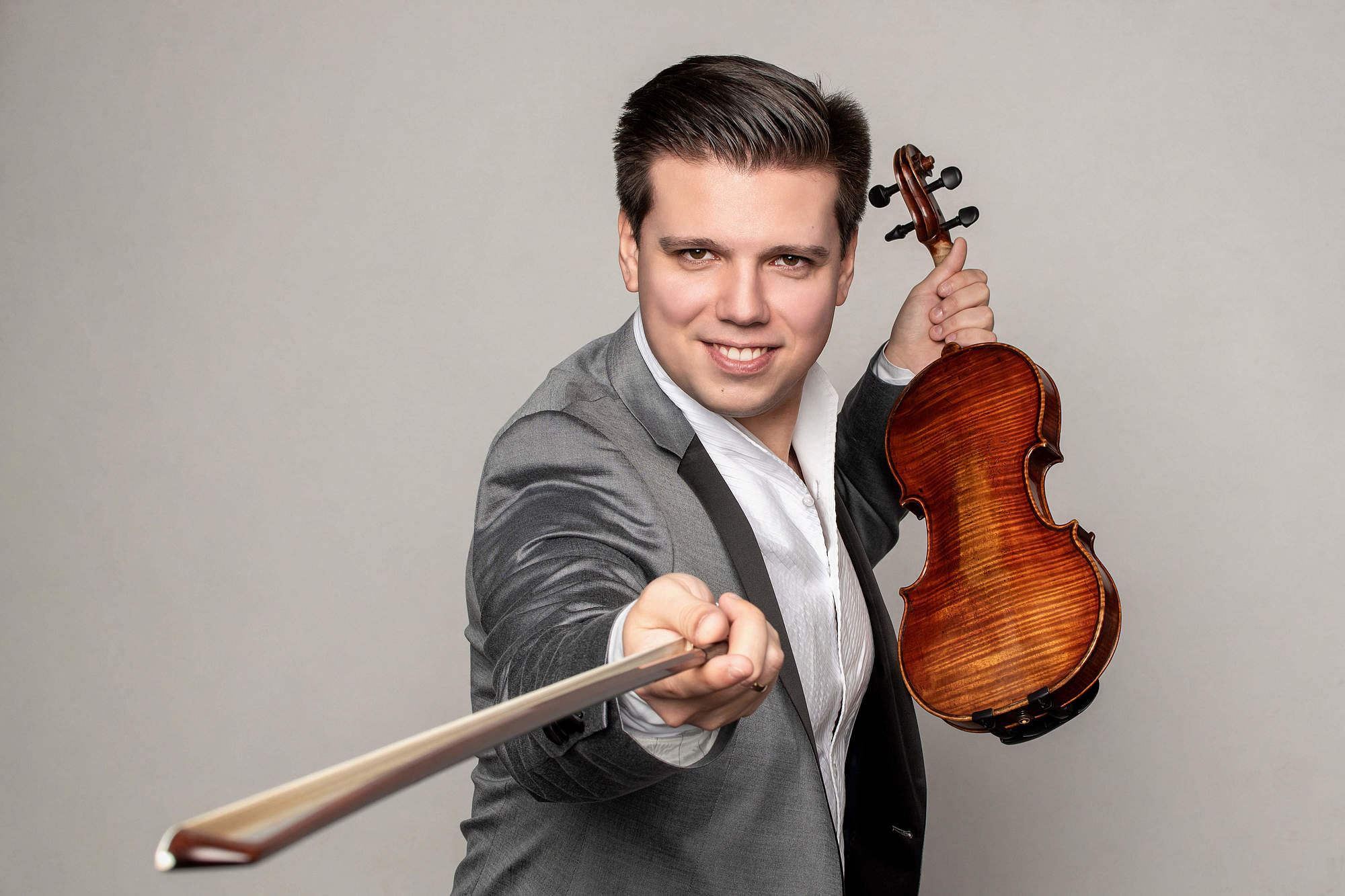
Sergei Dogadin, foto Anastasia Steiner
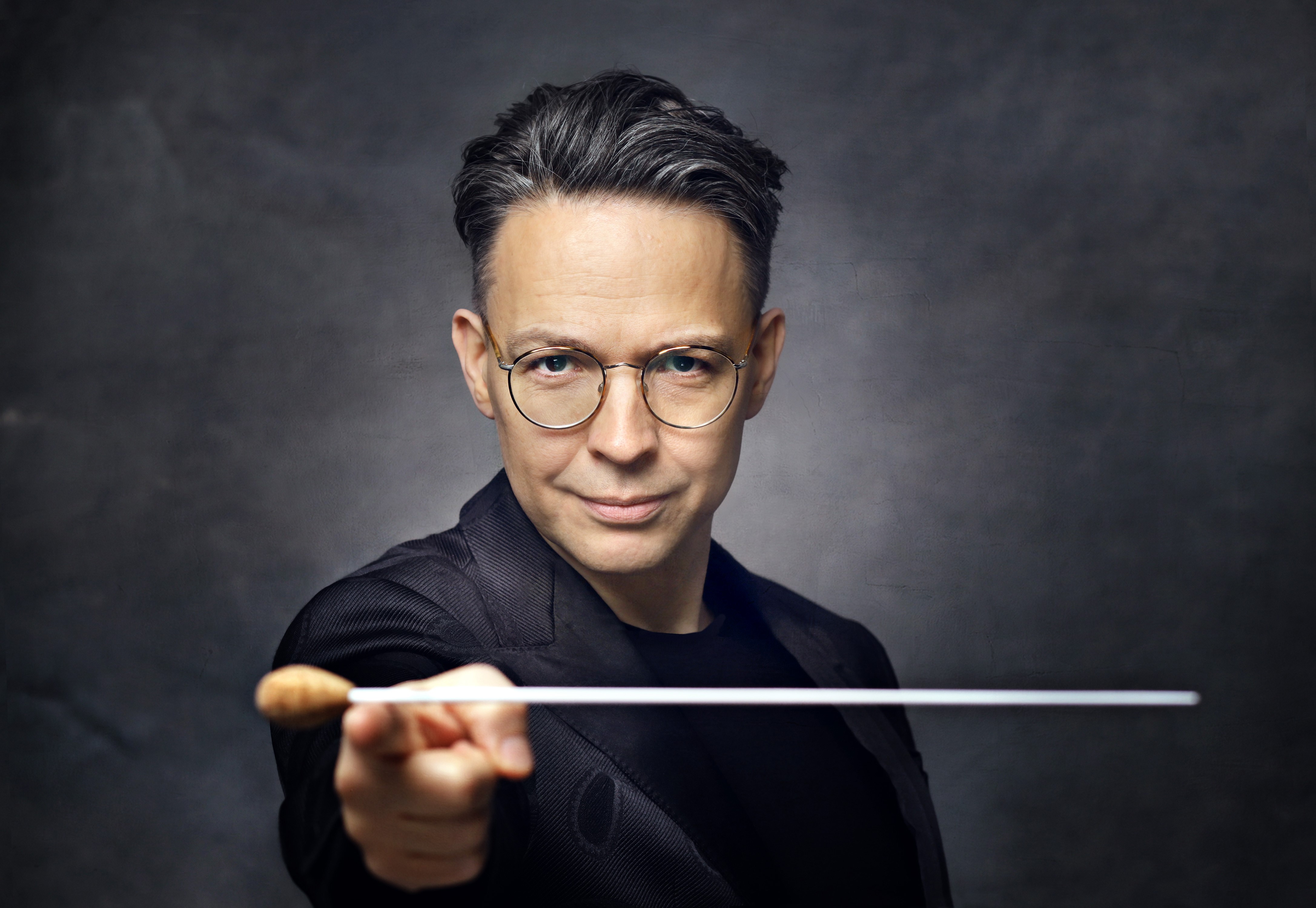
Evan Christ, foto Uwe Arens
RTV Slovenia Symphony Orchestra, photo Janez Kotar
Buy tickets
Chromatics 1
22 Oct
19:30
Show more
15,00 | 19,00 | 26,00 | 29,00 EUR
12,00 | 16,00 | 20,00 | 25,00 EUR * * EUR for younger than 25 and older than 65, as well as pensioners.
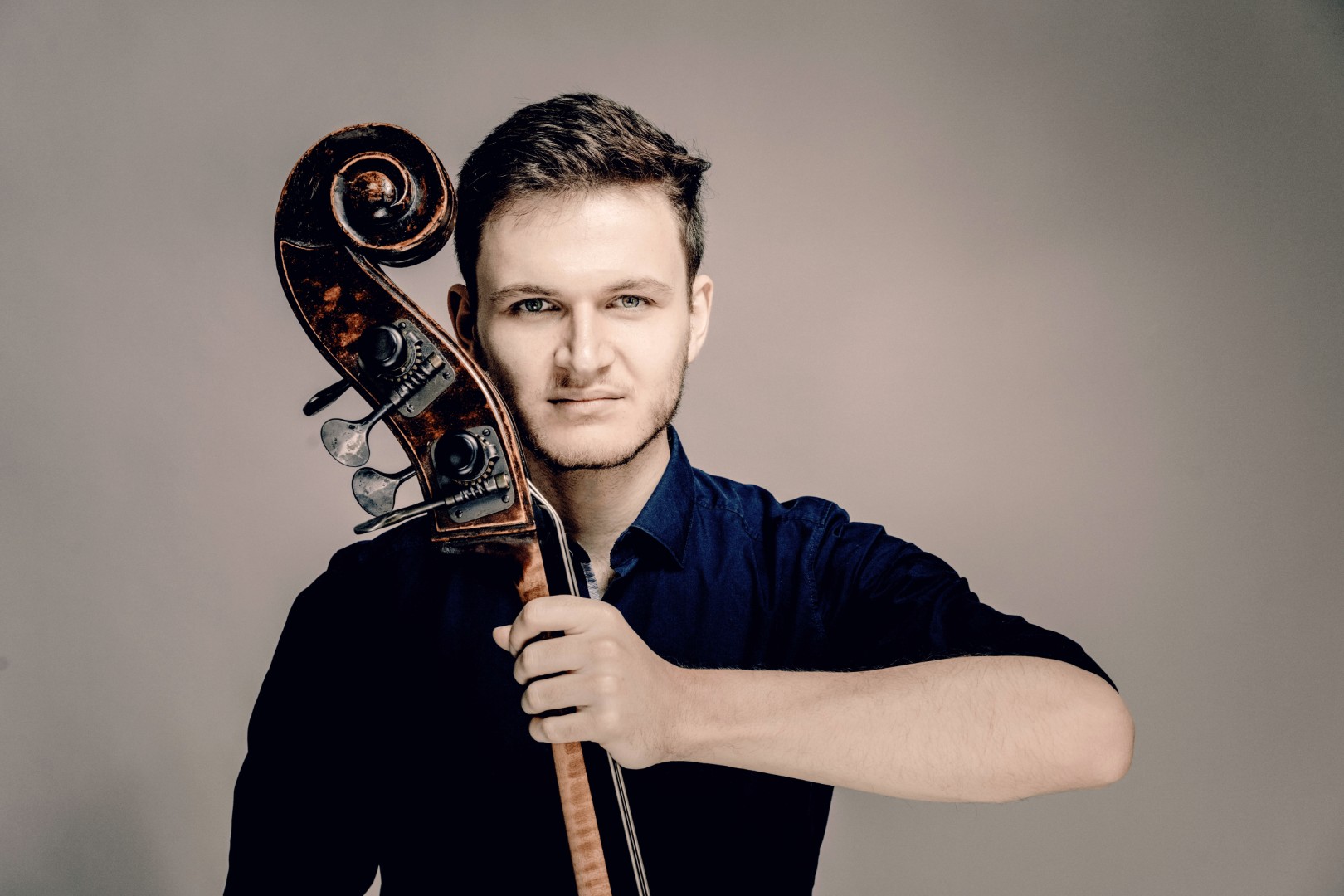
Dominik Wagner, foto Andrej Grilc
RTV Slovenia Symphony Orchestra, photo Janez Kotar
Buy tickets
Chromatics 1
22 Oct
19:30
Show more
15,00 | 19,00 | 26,00 | 29,00 EUR
12,00 | 16,00 | 20,00 | 25,00 EUR * * EUR for younger than 25 and older than 65, as well as pensioners.

Lukás Vondráček, foto Tat Keng Tey
RTV Slovenia Symphony Orchestra, photo Janez Kotar
Buy tickets
Chromatics 1
22 Oct
19:30
Show more
15,00 | 19,00 | 26,00 | 29,00 EUR
12,00 | 16,00 | 20,00 | 25,00 EUR * * EUR for younger than 25 and older than 65, as well as pensioners.
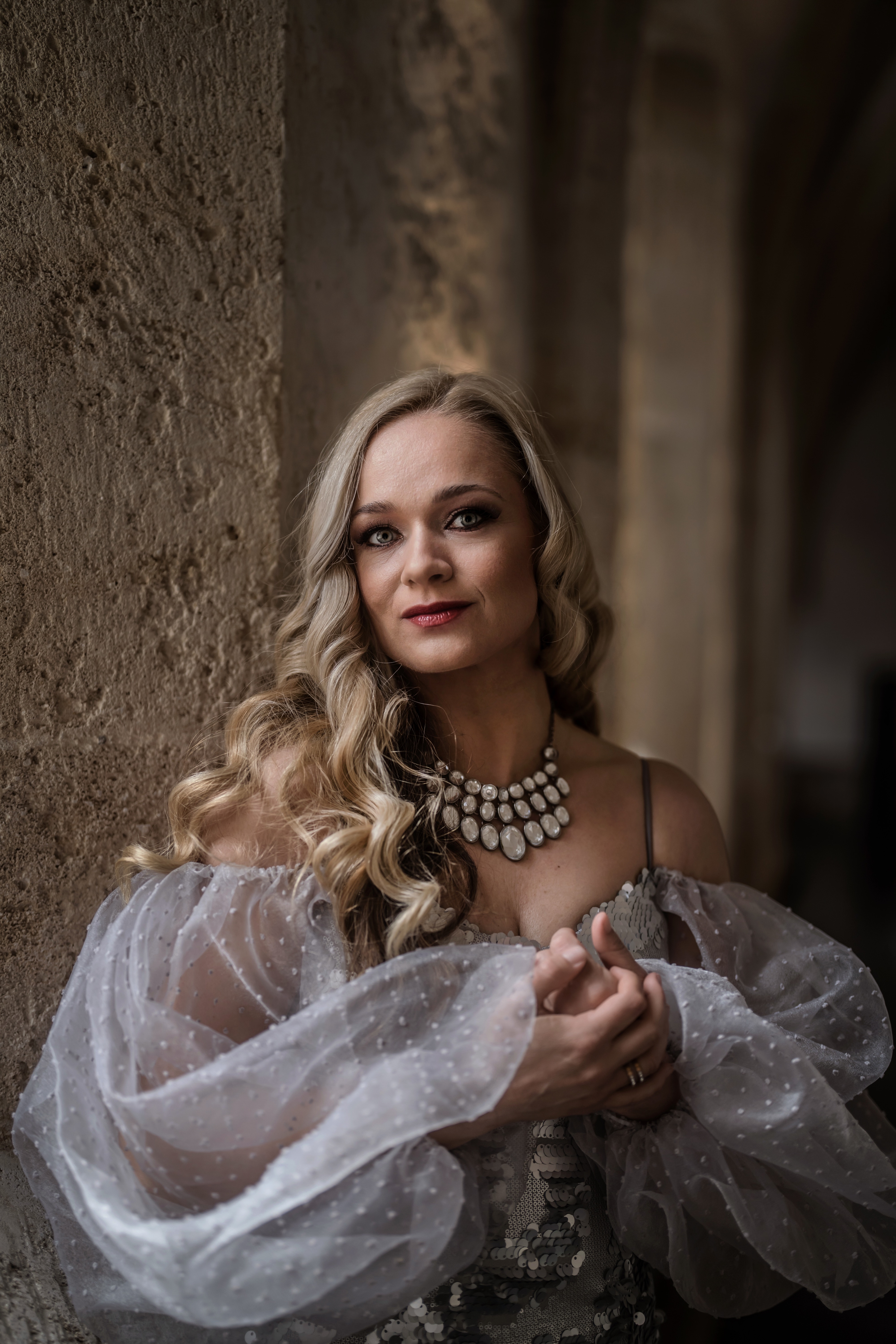
Nina Dominko, foto Stanko Kozel

Sara Briški Cirman, foto Tjaša Barbo
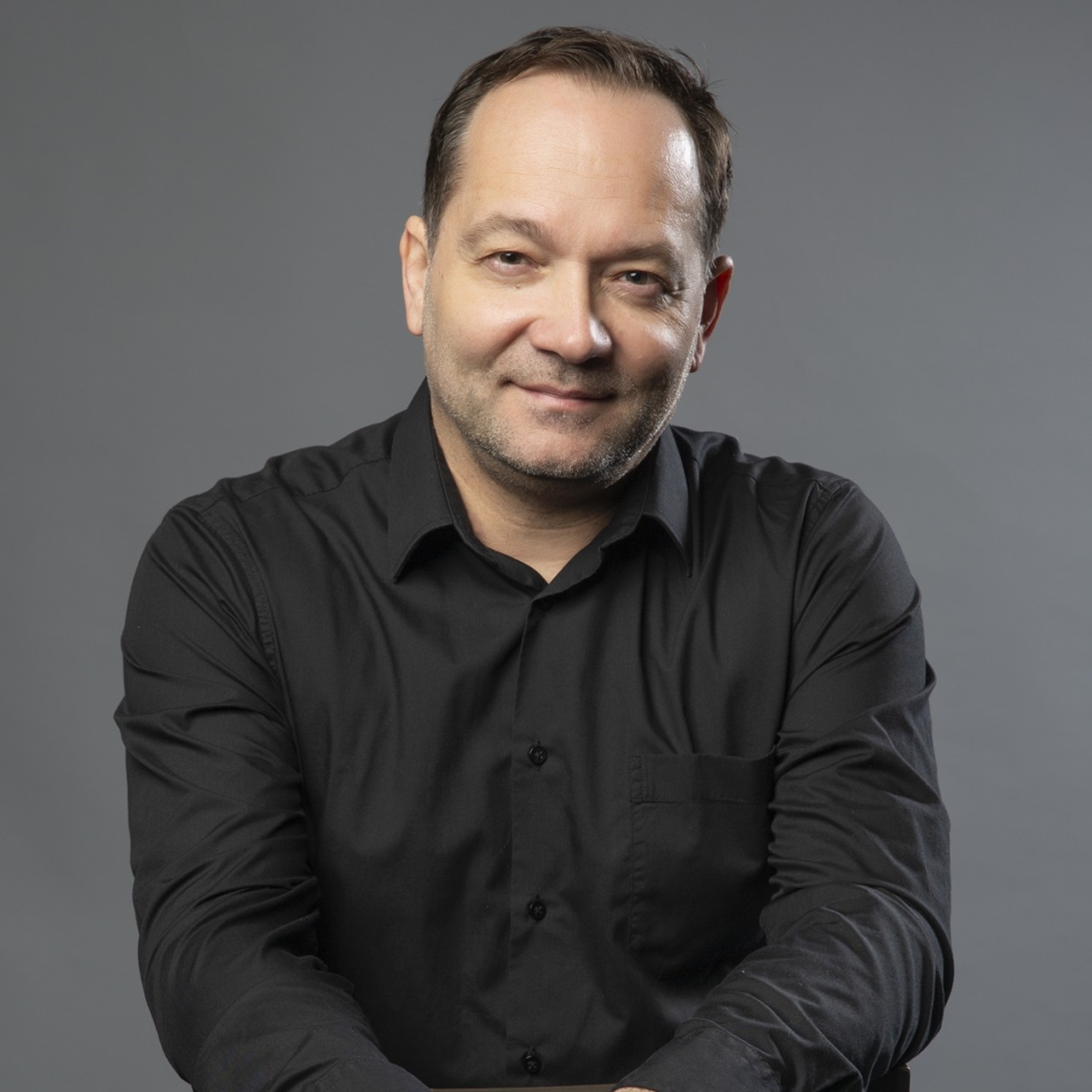
Aljaž Farasin, foto arhiv SNG Opera in balet Ljubljana
RTV Slovenia Symphony Orchestra, photo Janez Kotar
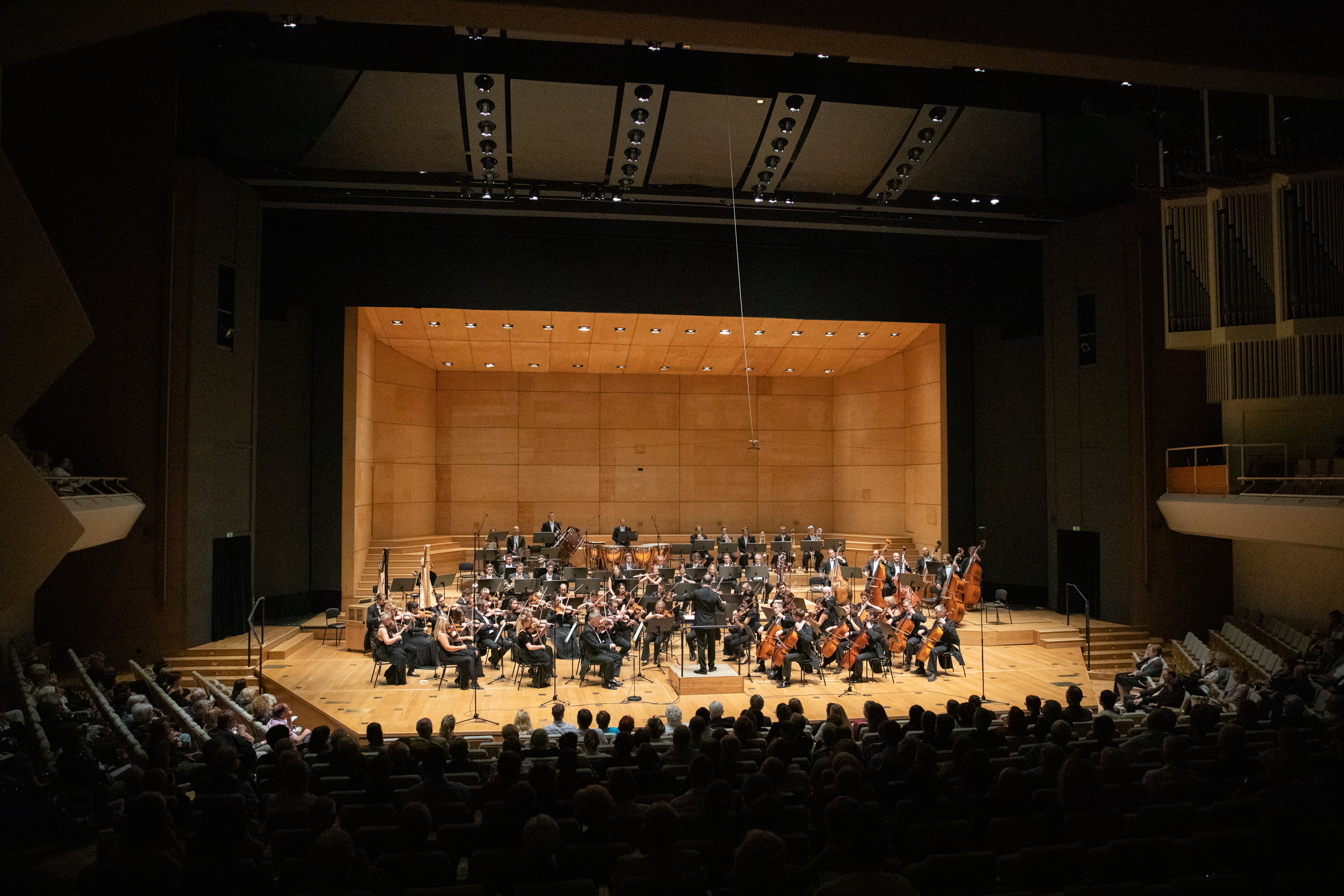
Simfonični orkester RTV Slovenija, foto Adrian Pregelj
Buy tickets
Chromatics 1
22 Oct
19:30
Show more
15,00 | 19,00 | 26,00 | 29,00 EUR
12,00 | 16,00 | 20,00 | 25,00 EUR * * EUR for younger than 25 and older than 65, as well as pensioners.
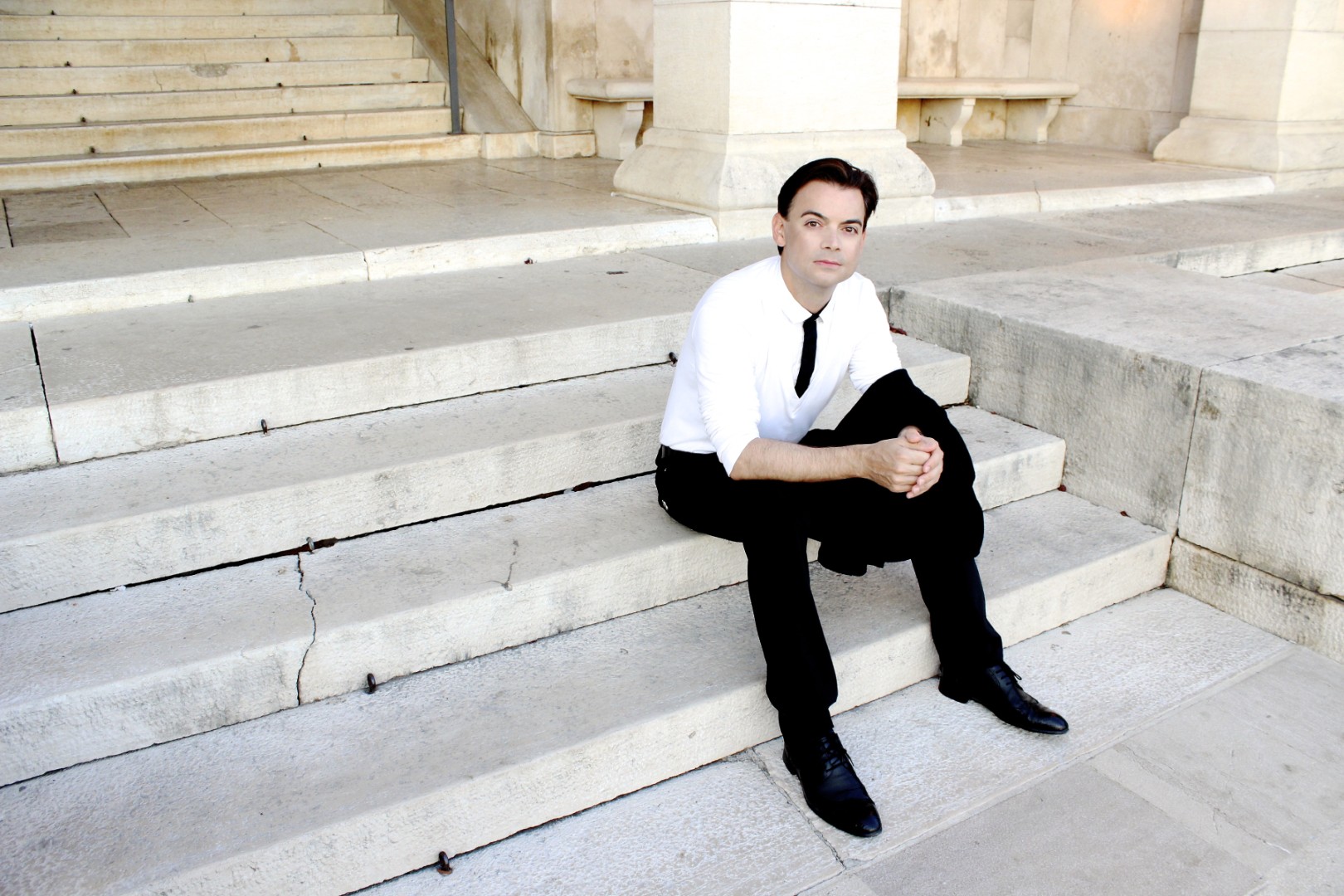
Dejan Lazić, foto Lin Gothoni
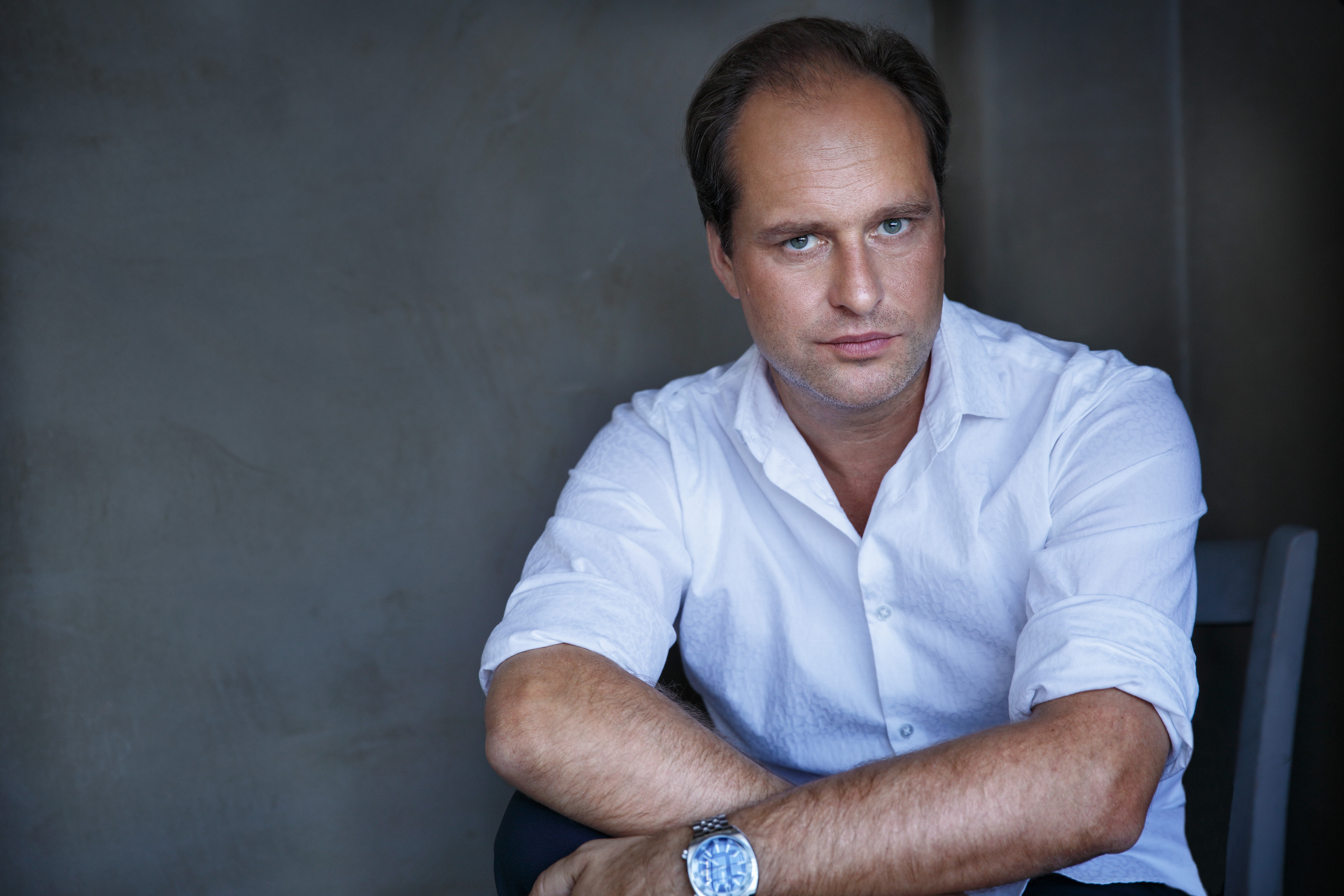
Tibor Bogányi, foto Lazslo Emmer
RTV Slovenia Symphony Orchestra, photo Janez Kotar

Solistka: Natalie Clein, violončelo
Program:
Elfrida Andrée, Uvertura v D-duru
Camille Saint-Saëns, Koncert za violončelo št. 1 v a-molu, op. 33
Felix Mendelssohn, Simfonija št. 4 v A-duru, op. 90, »Italijanska«
Uvodni koncert nove sezone Kromatike bo vodila Mojca Lavrenčič, zmagovalka mednarodnega dirigentskega tekmovanja La Maestra v Parizu in aktualna nosilka tega prestižnega naziva. Koncert bo uvedla redko izvajana uvertura švedske skladateljice Elfride Andrée, sledil bo Saint-Saënsov Prvi koncert za violončelo v interpretaciji priznane britanske violončelistke Natalie Clein. Večer bo sklenila Mendelssohnova »Italijanska« simfonija – eno najbolj priljubljenih del simfoničnega repertoarja, prežeto z lahkotnostjo, svetlobo in mediteranskim utripom.
Buy tickets
Kromatika 1: »La Maestra« in Cellofest
22 Oct
19:30
Show more
15,00 | 19,00 | 26,00 | 29,00 EUR
12,00 | 16,00 | 20,00 | 25,00 EUR * * EUR za mlajše od 25 in starejše od 65 let ter upokojence.

Mojca Lavrenčič, foto Jean-Baptiste Millot
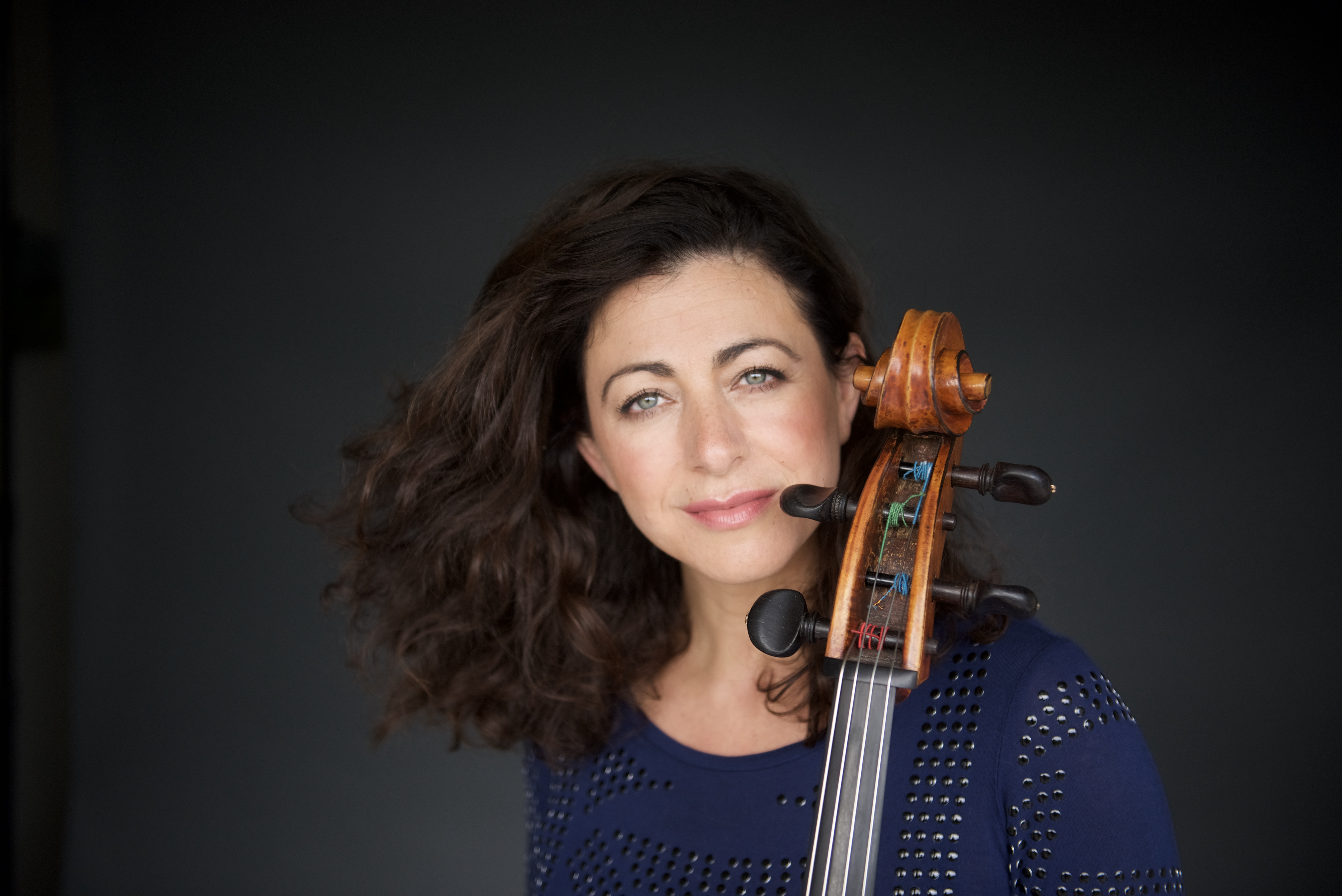
Natalie Clein, foto Neda Navaee
Simfonični orkester RTV Slovenija, foto Janez Kotar
Founder and main co-funder of Cankarjev dom’s Arts and Culture programme

